Wheelchair Fitting Service Step-by-Step Guide
By Clinical Marketing Team, MES Mobility
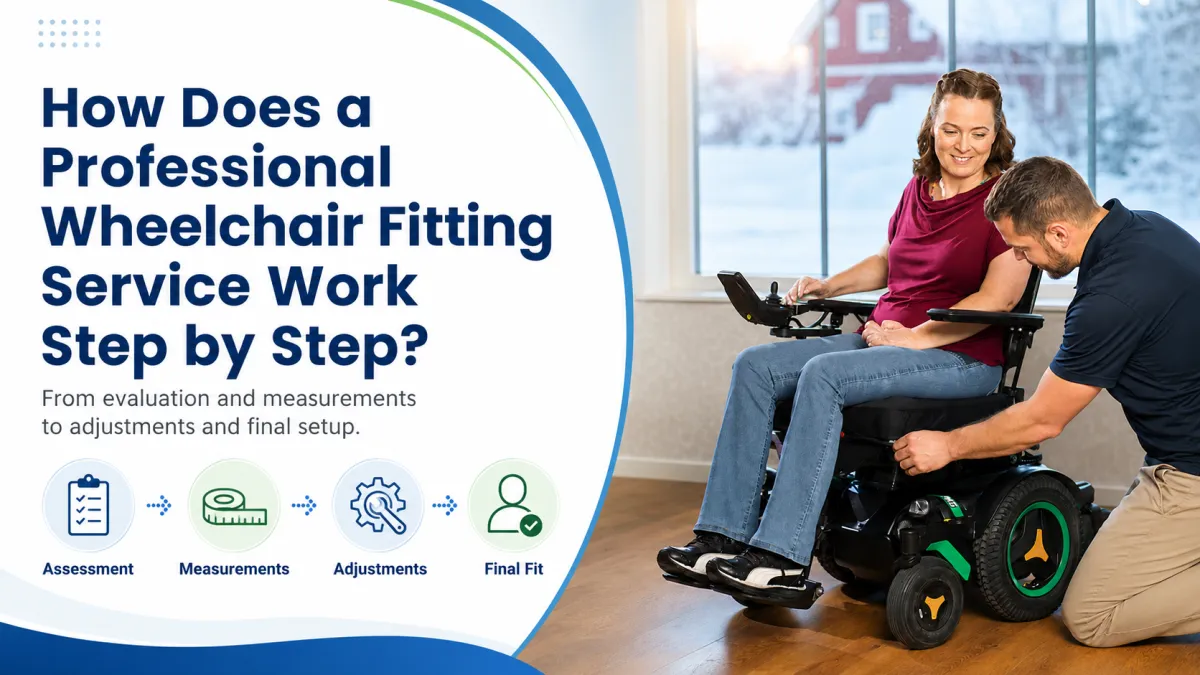
A professional wheelchair fitting service assesses body measurements, posture and daily needs to recommend and adjust a wheelchair for comfort and function. This article outlines the practical steps, evaluation methods and how subscription mobility services can help maintain suitable equipment.
What Are the Key Steps in the Professional Wheelchair Fitting Process?
The fitting follows a structured sequence to match the user with the right wheelchair and configuration.
Clinical Interview & Goal Setting: Clarify needs and daily goals.
Physical & Postural Assessment: Measure posture, range of motion and skin risk.
Environmental Review: Check home and work access and barriers.
Equipment Trials & Simulation: Try models and simulate daily tasks.
Final Adjustments: Fine-tune seat, support and controls.
These steps ensure selections and adjustments are clinically appropriate and practical.
How Is the Initial Wheelchair Evaluation Conducted?
The initial evaluation gathers key measurements, mobility tests and user priorities to guide equipment choices.
Assessment Criteria: Mobility limitations, skin integrity and activity needs.
Evaluation Methods: Physical exam, posture checks and mobility trials.
Necessary Equipment: Measuring tools and seating assessment aids.
Accurate data at this stage improves the likelihood of a successful fit.
What Happens During the Seating Clinic Assessment?
A seating clinic provides hands-on trials, observed function and immediate adjustments to refine the initial recommendations.
Clinical Interview & Goal Setting: Update objectives and task priorities.
Physical & Postural Assessment: Detailed posture and support needs.
Environmental Review: Confirm fit within daily settings.
Equipment Trials & Simulation: Test cushions, backs and seating positions.
Practical trials allow the fitter to observe function and comfort before finalising adjustments.
How Does Custom Wheelchair Assessment Improve Mobility and Comfort?
Custom assessments translate measurements and feedback into targeted changes that reduce pain, improve posture and increase independence.
Assessment Techniques: Dimension checks, pressure mapping and functional observation.
Customization Options: Seat width/height, back support and cushion choices.
User Feedback: Iterative input to refine comfort and function.
Prioritising these elements helps users stay comfortable and active for longer.
Studies show custom-tailored wheelchairs play a key role in improving mobility, comfort and overall quality of life.
Custom Wheelchairs: Tailored for Mobility & Comfort
Custom wheelchairs, tailored to users’ unique needs, have gained increasing attention because of their potential to increase mobility, comfort, and overall quality of life for the people using them. Regardless of the duration of use of the wheelchair, it is important that appropriate, well-fitted wheelchairs are provided to users.
Customization of manual wheelchair components: a state-of-the-art review, S More, 2025
Why Is Posture Assessment Critical in Wheelchair Fitting?
Posture assessment identifies risks (pressure, pain and reduced function) and guides supports that protect skin and improve mobility.
Prevention of Complications: Reduce pressure sores and musculoskeletal strain.
User Comfort: Support for comfortable prolonged sitting.
Mobility Improvement: Posture that aids efficient propulsion and control.
Addressing posture early improves long-term health and day-to-day function.
How Are Personalized Adjustments Made for Optimal Seating?
Personalised adjustments combine measurements, trials and feedback to set seating, supports and accessories for real-world use.
Clinical Interview & Goal Setting: Prioritise tasks and comfort needs.
Physical & Postural Assessment: Direct the required supports.
Environmental Review: Ensure compatibility with daily environments.
Equipment Trials & Simulation: Validate chosen components in use.
These adjustments aim to increase independence while reducing fatigue and discomfort.
What Are the Advantages of Subscription-Based Wheelchair Mobility Solutions?
Subscription models offer regular maintenance, updates and access to professional support without one-off logistics.
Continuous Support: Ongoing access to fitters and technicians.
Equipment Updates: Planned upgrades to newer options.
Repairs: Faster repairs and reduced downtime.
Subscriptions can keep equipment aligned with changing needs and reduce service gaps.
How Does Mobility as a Service Enhance Wheelchair Accessibility?
Mobility as a Service (MaaS) complements fittings by improving transport options and access, supporting independent travel.
Flexible Transportation Solutions: Accessible ride and transit options.
Urban Commuter Benefits: Better integration with public transport.
Environmental Impact: Shared, sustainable transport options.
Integrating MaaS helps wheelchair users travel more reliably in cities and beyond.
What Corporate Mobility Solutions Support Wheelchair Users?
Corporate programmes increasingly include accessible transport, subscription options and user-centred design to support employees with mobility needs.
Corporate Mobility Solutions: Employer-led transport and support programmes.
Subscription Models: Flexible packages for staff.
User-Centric Design: Products and services focused on accessibility.
These initiatives make mobility support easier to access and help build inclusive workplaces.
What Common Questions Do Users Have About Professional Wheelchair Fitting?
Users often ask about the steps, expected results and how adjustments will affect daily life; clear communication sets realistic outcomes.
What is the fitting process?: Assessment, trials and custom adjustments.
What are the expected outcomes?: Improved comfort, posture and function.
What adjustments are necessary?: Seat height, back support and arm positioning are common tweaks.
Understanding these basics helps users participate in decisions and get better results.
How Long Does a Professional Wheelchair Assessment Take?
Time varies with complexity but most assessments allow time for measurement, trials and initial adjustments.
Typical Duration: Often 1–3 hours depending on needs.
Factors Affecting Time: Complexity of posture, equipment and trial requirements.
Importance of Thorough Assessment: Sufficient time improves fit and reduces rework.
Allowing adequate time reduces the need for repeated visits.
Why Is a Seating Clinic Important for Wheelchair Users?
Seating clinics provide specialist assessment and hands-on fitting to match equipment with health and lifestyle requirements.
Assessment: Comprehensive review to select appropriate components.
Customization: Tailored solutions for individual needs.
User Comfort: Ensure seating supports wellbeing and activity.
These clinics help users meet mobility goals. For more information, visit MES Mobility.
Frequently Asked Questions
What qualifications should a professional wheelchair fitter have?
Training in rehabilitation, physical or occupational therapy is typical; recognised certifications (for example RESNA) add professional assurance.
How often should a wheelchair fitting be reassessed?
Reassess at least annually or whenever health, activity or environment changes.
What are the signs that a wheelchair needs adjustment?
Signs include discomfort, steering difficulty, pressure marks or increased fatigue — seek reassessment when these appear.
Can a wheelchair fitting be done remotely?
Video consultations can work for follow-ups and minor tweaks, but initial fittings are best done in person.
What role does user feedback play in the fitting process?
User feedback directs practical choices and final adjustments to ensure the setup works in daily life.
Are there financial assistance options for wheelchair fittings?
Insurance, government schemes and non-profits often support fittings; check local programmes like Medicaid/Medicare and provider resources.
What should I expect after the fitting process is complete?
Expect a follow-up to confirm comfort and function, minor tweaks if needed, and guidance on use and maintenance.
Conclusion
Professional wheelchair fitting combines clinical assessment, trials and personalised adjustments to improve comfort and mobility. Contact a qualified fitter to begin a tailored process toward greater independence.
